How Residential Drain Cleaning Helps Maintain a Hygienic Kitchen

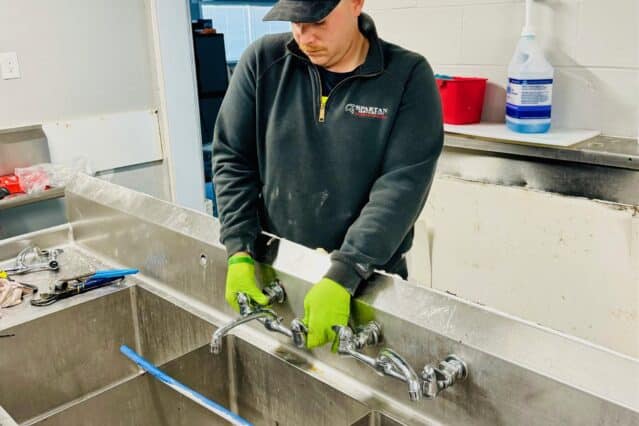

A clean kitchen is rarely judged by the counters alone. Surfaces may shine, the sink may look spotless, and dishes may be stacked neatly in drying racks, yet one neglected drain can quietly undo much of that effort. Kitchen drains collect grease, soap residue, food particles, coffee grounds, starches, and biofilm. Over time, those materials form a damp, nutrient-rich environment that supports odors, attracts pests, and interferes with sanitation.
That is where Residential Drain Cleaning earns its value. It is not only a maintenance task for plumbing performance. It is also part of keeping a kitchen hygienic, usable, and safe for food preparation. People often call for drain cleaning after a clog or backup, but the kitchens that stay healthiest are usually the ones where drain care happens before there is a crisis.
Anyone who has dealt with a slow-draining sink during dinner prep knows how quickly the problem spreads. Dirty water lingers in the basin. Utensils and cutting boards are rinsed in water that does not fully clear. Splashback becomes more likely. The smell from the drain creeps into the room, and suddenly the kitchen no longer feels clean, no matter how much bleach has touched the countertops. Good drain maintenance prevents that chain reaction.
The kitchen drain is part of the sanitation system
Many homeowners think of the drain as the endpoint, the place where dirty water disappears. In practice, it is part of an active sanitation system. The sink basin, trap, branch line, and connected piping all influence whether wastewater leaves the kitchen efficiently and cleanly.
When a drain is flowing properly, food residue and wastewater move out quickly. When buildup narrows the pipe, discharge slows down. That may seem like a mild inconvenience at first, but a partially obstructed kitchen drain creates ideal conditions for contamination. Bits of organic waste cling to the pipe walls, moisture remains constant, and oxygen levels vary enough to support bacterial growth in biofilm layers. You may not see that growth directly, yet you notice its effects through odor, slime, and recurring drainage issues.
This is why experienced plumbers often treat kitchen drains differently from bathroom sinks. Bathroom drains commonly clog from soap scum and hair. Kitchen drains are a more complicated mix. Fats, oils, and grease cool and solidify. Starches from pasta, rice, and potatoes swell and stick. Fine food particles lodge in existing residue. Dish soap may briefly move grease along, but it does not make the grease disappear. Once the hot wash water cools inside the line, that material starts clinging to the pipe again.
A hygienic kitchen depends on that hidden system remaining clear enough to move waste out before it turns into a sanitation problem.
Why slow drains matter more than most people think
A slow drain is often treated as a tolerable annoyance. The sink still empties eventually, so the issue gets pushed off for another week or month. That delay is where trouble builds.
Standing or slow-moving water increases the chance that dirty sink contents come back into contact with hands, produce, cookware, or cleaning tools. If the sink is being used to wash vegetables on one side and stack greasy pans on the other, poor drainage can mix those zones more than intended. Even in careful households, the practical separation between clean and dirty work areas breaks down when water cannot leave the basin quickly.
There is also the matter of aerosol spread. People do not often think about it, but every time water strikes a dirty sink surface or pooled residue, tiny droplets can disperse nearby. If the drain opening and surrounding area are coated with decomposing organic matter, those droplets carry more than plain tap water. In a busy kitchen, that can affect faucet handles, sponge holders, soap dispensers, and the counter edge near the sink.
Odor is another sign with hygienic implications. A foul smell from the drain usually points to decomposing matter, microbial growth, or a venting issue. While not every odor means a dangerous condition, it always means the system is not as clean as it should be. In a food preparation area, that matters.
What actually builds up inside kitchen drains
The phrase "drain clog" makes many people imagine a single plug of material lodged in one spot. In kitchens, the reality is usually more gradual. The pipe narrows layer by layer.
Grease is the most familiar culprit, and for good reason. Bacon fat, cooking oil, meat drippings, butter, creamy sauces, and salad dressing residues all contribute. Even households that never pour oil directly into the sink still send grease down the drain through pans, plates, and utensils. Hot water can carry some of it for a short distance, but as temperatures drop inside the line, the residue thickens and sticks.
Food solids are the next contributor. Small scraps seem harmless because they are tiny, but they bond with grease and create a rougher surface that traps even more debris. If a garbage disposal is present, homeowners sometimes assume it removes the problem. It does not. A disposal breaks food into smaller particles, but those particles still have to travel through the pipe. Ground food can actually create a dense slurry that settles into existing buildup.
Soap compounds add to the layer. In areas with hard water, minerals combine with soap residues and create a stubborn film. Over months, the inside diameter of the pipe can shrink enough to reduce drainage substantially. I have seen kitchen branch lines that looked fine from the sink opening yet had an interior passage narrowed to something close to the width of a marker cap. At that point, every dinner service adds one more thin coat to an already compromised line.
Hygiene risks that come from neglected drains
The most obvious risk is wastewater backup. Once dirty water rises into the sink, the kitchen immediately becomes harder to sanitize. If that water reaches counters, floors, or nearby cabinetry, cleanup becomes more involved and more expensive.
Less dramatic but more common is the persistent dirty-drain condition. This is the kitchen where the sink smells sour in the morning, the drain opening feels slimy, fruit flies appear even though trash is taken out regularly, and the basin seems to need constant scrubbing. Those signs often trace back to drain residue. Moist organic matter near the drain acts as a food source for pests and microbes. It can also make routine cleaning less effective because fresh debris sticks quickly to old buildup.
Cross-contamination risk also rises. A person washing a cutting board used for raw meat needs the rinse water to leave promptly and completely. If drainage is sluggish, contaminated water can pool in the sink and touch other items. This does not guarantee illness, but it weakens the hygiene controls most households rely on without thinking.
Then there is the sponge problem. Many kitchen sponges and scrub brushes live near the sink rim or in holders attached to the basin. When drains smell or splash due to poor flow, those tools are exposed to a dirtier environment. A kitchen cannot be more sanitary than the tools used to clean it.
How Residential Drain Cleaning supports a cleaner kitchen day to day
Professional Residential Drain Cleaning removes or breaks apart the buildup that routine rinsing leaves behind. Depending on the condition of the line, that might involve snaking, mechanical augering, or hydro jetting where appropriate for the pipe material and plumbing layout. The method matters less than the objective, which is restoring the line so waste moves out efficiently instead of collecting inside.
The hygiene benefit starts with flow. When the sink drains quickly, dirty water spends less time in contact with food prep areas. The basin is easier to rinse clean. Odors diminish because decomposing residue has been reduced. The drain opening and surrounding metal or composite surfaces stay cleaner because fewer solids and greasy films linger at the mouth of the pipe.
There is also a practical housekeeping advantage. Kitchens with clean drains are easier to keep clean overall. Homeowners use less deodorizer, scrub less slime from the basket strainer, and deal with fewer surprise messes under pressure. That matters because real kitchens are not showroom spaces. They are active work areas with rushed breakfasts, packed lunches, and late-night cleanup. Any maintenance step that lowers the daily sanitation burden tends to pay off.
Professionals also spot warning signs that homeowners miss. During a service visit, a plumber https://www.google.com/maps?cid=12141713693293517558 may notice repeated grease accumulation, improper slope in a branch line, an aging trap, or a vent issue contributing to sluggish flow. Correcting the root cause can improve kitchen hygiene far more than clearing the immediate clog alone.
Why DIY drain habits often make kitchen hygiene worse
Most households try home remedies first, and that is understandable. Some basic steps are reasonable, like removing visible debris from a strainer or flushing with hot water after minor residue. The trouble starts when people rely on harsh chemical cleaners or repeated improvised fixes instead of addressing the buildup properly.
Chemical drain cleaners can damage certain pipes, especially older lines, and they often create only a narrow channel through the blockage rather than cleaning the pipe wall. The sink may drain for a few days, but the residue remains. From a hygiene standpoint, that means the odor source and microbial film are still present. In some cases, the cleaner itself adds another problem, leaving caustic liquid in the trap if the clog is severe.
Boiling water is frequently recommended online, but its effectiveness depends on the type and location of the buildup. A small amount of fresh grease near the sink may soften temporarily. A mature clog several feet down the line, mixed with starch and soap deposits, usually will not disappear. Worse, homeowners sometimes assume the issue is solved because the sink briefly improves, then resume habits that quickly recreate the obstruction.
Improper use of a hand snake can compact a clog or scratch fixtures. Overuse of baking soda and vinegar is mostly harmless, but it is often oversold. It may freshen a drain slightly, yet it does not replicate the mechanical cleaning needed to remove thick pipe-wall buildup.
The signs that a kitchen drain needs attention
Some symptoms are obvious, others less so. Homeowners often wait for a complete stoppage, but hygienic maintenance works best earlier than that.
- Water draining slowly after dishwashing or food prep
- Persistent sour, greasy, or sulfur-like odor near the sink
- Gurgling sounds when water empties or when the dishwasher runs
- Fruit flies or drain flies appearing around the sink area
- Recurrent clogs that return after temporary home fixes
If two or more of these signs are showing up together, the line is usually carrying more buildup than surface cleaning can manage. That is the point where Residential Drain Cleaning becomes preventive rather than emergency work.
The role of the dishwasher and garbage disposal
Kitchen drain problems are not confined to the sink basin. Dishwashers and garbage disposals often share the same drain path, which means one issue can affect the whole system.
A dishwasher sends out warm water loaded with detergent, food residue, and grease. If the branch line is restricted, that discharge may back up toward the sink or leave residue that worsens the clog. Homeowners sometimes notice a faint smell when the dishwasher door opens and assume the machine itself is dirty. Sometimes it is. Just as often, the drainage path is part of the problem.
Garbage disposals deserve special mention because they create confidence that is not always justified. They are useful appliances, but they are not designed to process every kitchen waste stream. Fibrous vegetables, eggshells, coffee grounds, pasta, rice, and grease commonly contribute to drain trouble even when a disposal is present. The disposal chamber can also harbor odor if not cleaned, especially around the rubber splash guard where residue clings.
When drain cleaning restores proper flow, both the sink and connected appliances generally perform better. That improvement often shows up as fewer odors, quieter draining, and less standing water after dishwasher cycles.
Preventive habits that support clean drains
Good drain hygiene is not complicated, but it does require consistency. The goal is to reduce what enters the pipe and catch problems before they mature.
- Scrape food scraps into the trash or compost before rinsing dishes
- Collect cooking grease in a container rather than pouring it into the sink
- Use a sink strainer to catch solids, then empty it regularly
- Run enough water when using the disposal, and avoid feeding it fibrous or starchy waste
- Schedule drain cleaning when slow flow or odor appears, not only after a full backup
None of these habits replace professional service when buildup is established, but they lengthen the interval between cleanings and help protect kitchen sanitation.
How often should a residential kitchen drain be cleaned?
There is no universal schedule, because household habits vary widely. A single person who cooks lightly will load a drain differently than a family of five preparing multiple meals each day. A home with frequent frying, heavy disposal use, and an older plumbing system may need attention far sooner than a newer home where grease is carefully managed.
In many households, a professional cleaning every year or two is a sensible range if early warning signs are addressed promptly. For high-use kitchens, annual service may be worth it. For low-use kitchens with good habits and no history of slow drainage, less frequent service might be enough. The right schedule is based on performance, not a rigid calendar.
What matters most is avoiding the pattern of waiting until the sink is almost unusable. By then, the hygienic cost has already been paid in odors, mess, and elevated contamination risk.
Older homes, pipe materials, and the hygiene factor
The condition of the plumbing system influences both clog risk and cleanliness. Older galvanized lines are notorious for interior corrosion and rough surfaces that catch debris. Cast iron can accumulate heavy scale over time. Even some modern systems develop trouble spots if pipe slopes are poor or if there are too many sharp turns in the branch line.
These physical conditions matter because rough or narrowed pipes retain organic matter more readily. A homeowner may follow every recommended sink habit and still struggle with recurring buildup because the line itself encourages accumulation. In those cases, drain cleaning helps, but inspection may reveal that repair or partial replacement offers a better long-term sanitation outcome.
This is one of the trade-offs worth understanding. Repeated cleaning can keep an aging line functional for a while. Eventually, though, a pipe that traps residue by design or deterioration may need more than maintenance. A trustworthy plumber should be able to explain when cleaning remains effective and when it is becoming a short-term fix.
What a cleaner drain changes in everyday kitchen life
The benefits are often most noticeable in ordinary moments. The sink empties before the next pan is ready to wash. The air around the basin smells neutral. The dishwasher drains without sending murky water upward. The strainer basket lifts out without a greasy ring underneath. Sponges last longer because they are not sitting next to a drain that constantly off-gasses decomposition.
People tend to associate hygiene with visible cleaning products, polished appliances, and disinfected counters. Those things matter, but hidden infrastructure matters too. A kitchen drain is one of the least glamorous parts of the room, yet it has a direct effect on how clean the space truly stays.
Residential Drain Cleaning helps remove the organic buildup that feeds odors, slows drainage, and creates recurring sanitation headaches. It supports the practical cleanliness that households depend on during real cooking, real cleanup, and real daily use. When the drain system works as it should, the rest of the kitchen is easier to keep hygienic, safer to use, and far more pleasant to live with.
Spartan Plumbing Services
Address: 760 107th St S, Tacoma, WA 98444
Phone number: +12534998773
FAQ About Residential Drain Cleaning
How much does it cost to have someone clean your drains?
Professional drain cleaning costs between $147 and $352 on average, with most homeowners paying around $246. The final price is heavily determined by the type of drain affected, the clearing method needed, and your geographic location.
How much does it cost to clean a drain line?
Professional drain cleaning costs between $147 and $352 on average, with most standard residential jobs landing right around $246. However, your final bill can scale from $100 to over $800 depending entirely on which drain is clogged and the method required to clear it.
Is professional drain cleaning worth it?
Yes, professional drain cleaning is worth it because it clears deep buildup and prevents expensive plumbing emergencies.